10-Minute Reset: A Quick Reboot for Stress and Focus

What is a 10 minute reset?
A 10 minute reset is a short, intentional pause designed to help your mind and body shift out of “running on fumes” mode and back into a steadier baseline. It’s not a full workout, a long meditation session, or a perfect self-care routine. It’s a simple, repeatable mini-practice that uses a few minutes of breathing, movement, and sensory downshifting to reduce stress signals and restore a sense of control.
Think of it as a quick system reboot: you’re interrupting the stress cycle, releasing built-up tension, and giving your nervous system a clear cue that you’re safe enough to soften your shoulders, unclench your jaw, and take the next step with less friction.
How a 10 minute reset typically works
Most 10 minute resets combine three elements:
- Breath: Slower, deeper breathing helps lower the “alarm” feeling and steadies racing thoughts.
- Body release: Gentle movement (neck rolls, shoulder circles, shaking out your hands) helps discharge physical stress.
- Focus: A quick anchor—counting breaths, noticing five things you can see, or naming one priority—pulls attention away from mental spirals.
You can do it in a bathroom, car, hallway, or kitchen. The point is practicality: no special equipment, no perfect silence required.
A simple 10 minute reset you can try today
Minutes 1–3: Inhale through your nose for 4, exhale for 6. Keep your exhale longer than your inhale.
Minutes 4–7: Release tension: roll shoulders, stretch your hands, then shake out your arms and legs for 30–60 seconds.
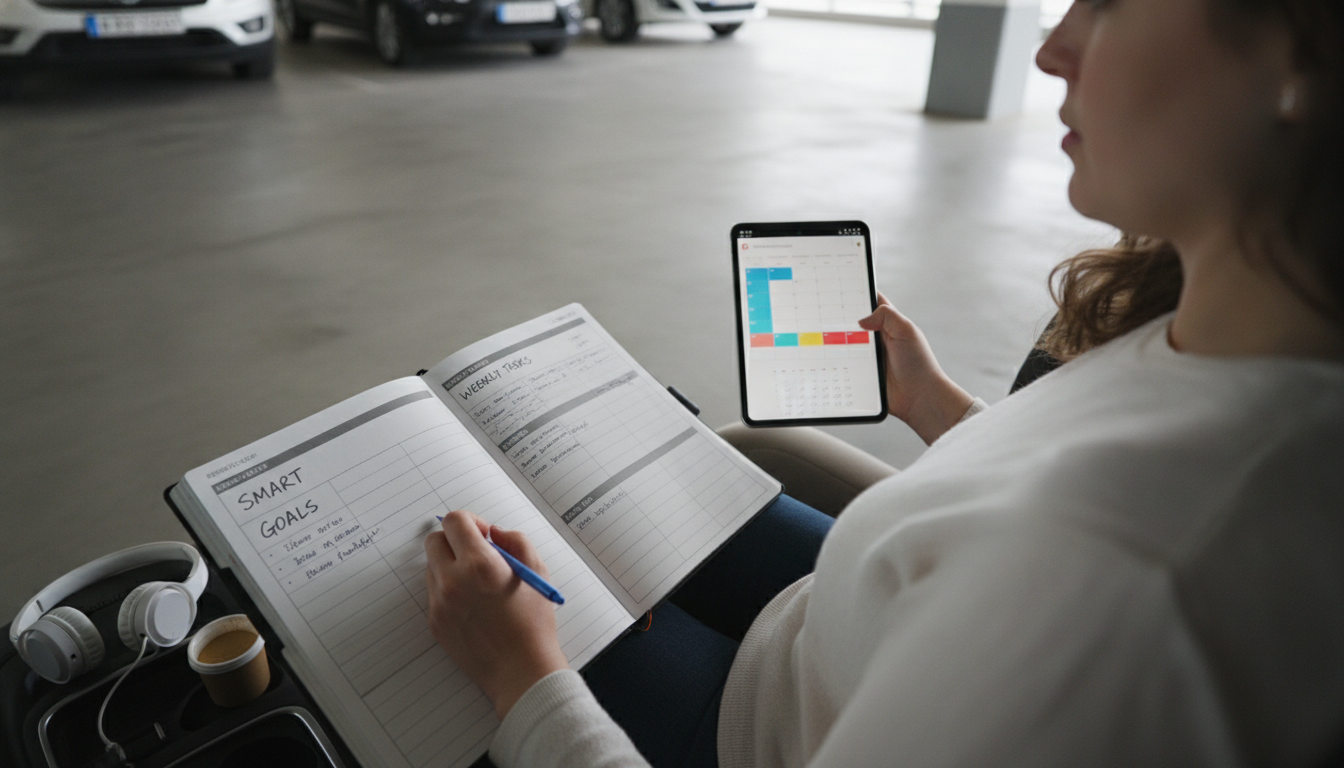
Minutes 8–10: Pick one anchor: write a single sentence (“Right now, my next step is…”) or choose one task to complete before checking your phone again.
Want a shorter version?
If 10 minutes feels out of reach, start with a faster reset and build up. This guide offers a practical, parent-friendly approach: 5-minute reset for exhausted parents: breathe and release energy.
FAQ
How often should you do a reset during a stressful day?
Use it whenever you notice snapping, rushing, or brain fog—often once mid-morning and once mid-afternoon helps. Even one reset can make the rest of the day feel more manageable.











Leave a comment